
Worldwide, the demand for sustainable transportation solutions is driving countries to invest in rail infrastructure. Canada stands out with a rail network of over 49,000 km, the 5th largest in the world, and a robust freight sector that quickly recovered from the pandemic, carrying 70% of intercity freight traffic.
The rail sector is indispensable to the Canadian economy. Not only does it support the growth of several strategic industries, such as agriculture, manufacturing and retail, but it also facilitates Canadian companies’ access to global markets. By supporting exports, it improves the interconnection of major Canadian and international cities. This role as an economic pillar is also accompanied by a significant contribution to the reduction of greenhouse gas (GHG) emissions, making the rail sector a key player in the transition to a sustainable economy.
We’ll cover current trends, key statistics, major market players, challenges and future prospects to help those wishing to explore opportunities in rail-related sectors in Canada make informed decisions.
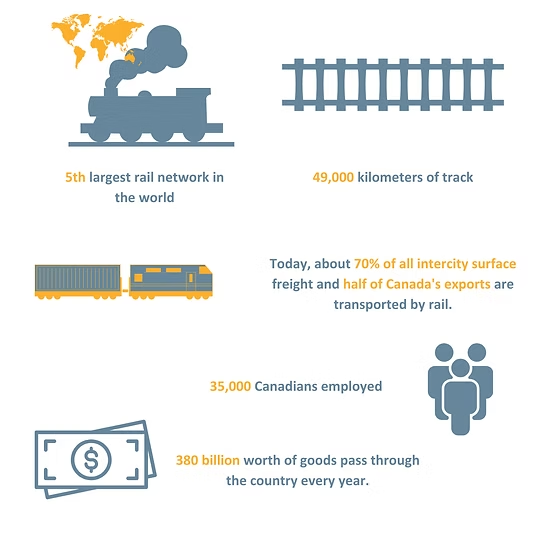
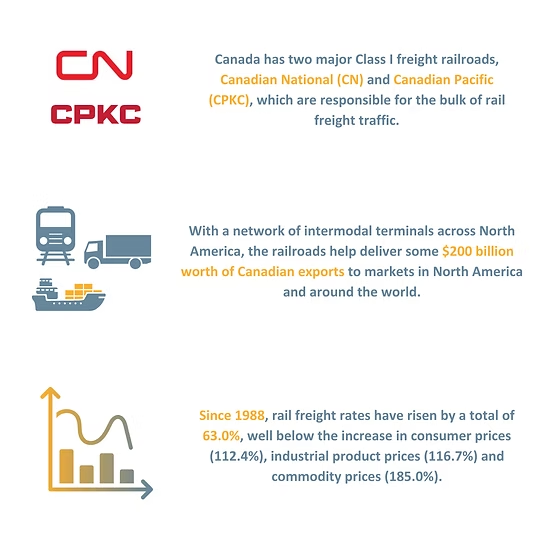
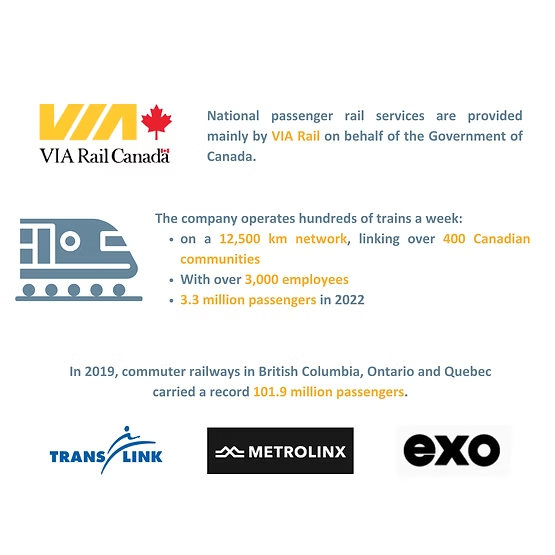
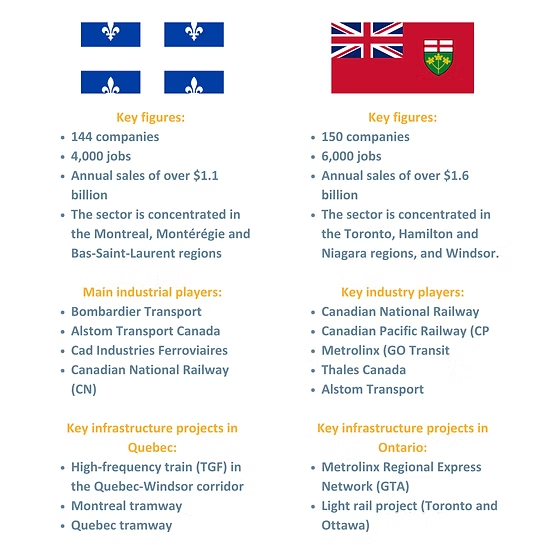
The rail sector is a crucial gateway to global trade. In 2022, Canadian railroads helped export $200 billion worth of goods to international markets:
As far as passenger transport is concerned, the proposed high-speed train (TGV) between Quebec City and Toronto could revolutionize passenger mobility by reducing journey times between these two major cities. This initiative will do more than simply improve travel; it will also boost tourism in the region, while promoting economic integration between Quebec and Ontario. By increasing accessibility and improving connectivity between major urban centers, the TGV can also play a crucial role in reducing the transport sector’s carbon footprint, by offering a more sustainable alternative to car or air travel.
The sector is governed by the Railway Safety Act. Companies must hold a certificate of fitness to operate. The government also imposes reporting obligations on service and fares.
The Transport 2030 plan, which aims to improve the sector’s sustainability, safety and efficiency, is a central plank of Canadian strategy, notably through subsidies to encourage technological innovation and the adoption of zero-emission vehicles (ZEVs).
Rail transport companies are facing increasing demands for transparency and environmental sustainability. Stricter processes also govern the safety of rail operations.
Canada’s rail industry faces a number of challenges that require innovative solutions and strategic investments:
Despite these challenges, the sector presents numerous development opportunities, fostering growth and innovation:
The economic impact is also major: it is estimated that the project will inject up to $35 billion into the GDP annually, and create more than 51,000 jobs during the construction phase. In the long term, the implementation of this infrastructure could double or triple VIA Rail’s passenger numbers over the next 12 to 15 years, reflecting growing demand for fast, efficient transportation. At the same time, this project could stimulate other rail initiatives across the country, notably by inspiring new infrastructure dedicated to high-speed passenger transport. However, cost management, land acquisition and environmental assessments remain major challenges.
In conclusion, the TGV between Quebec City and Toronto is not just about improving travel: it could well usher in a new era of rail in Canada, focused on innovation, sustainability and international competitiveness.
Canada has a significant need for suppliers capable of meeting the specific requirements of railway lighting, as technical and regulatory requirements differ considerably from those of public lighting. Adopting lighting solutions that comply with rail standards and the Buy America Act (BAA) is essential to effectively penetrate this market in North America.
The rail industry is undergoing a significant transformation thanks to the integration of advanced technologies and sustainable initiatives.
In short, green and digital innovations are paving the way for a more sustainable, high-performance future for the rail industry.


For a foreign company looking to grow its business in Canada, building a local presence ...

The Canadian cosmetics market consistently attracts the attention of European brands looking to expand internationally. ...

Alcohol trade regulation in Canada falls under provincial jurisdiction. Each province controls importation, distribution and, ...

SMEs and Mid-Sized Companies: Have You Considered External Growth to Accelerate Your Expansion in Canada ...

Canada is Opening the Door to Strategic Investment in Energy, Infrastructure and Critical Resources Thanks ...

In today’s global landscape, where medical innovation and access to strategic markets are critical challenges, ...